
Protect Your Furry Family: Why Pet Insurance is Essential for Every Pet Owner.
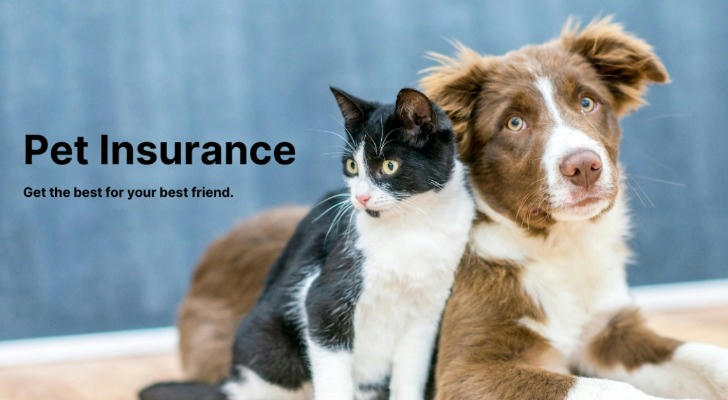
Unexpected vet bills can put a strain on anyone’s budget and can even force pet owners to delay or forgo treatment for beloved animals. Pet insurance provides a safety net, allowing families to access emergency and ongoing care without the overwhelming financial burden. This guide explores how pet insurance can offer peace of mind, ensure your companion receives crucial care, and help you be better prepared for any surprises that come your way.
🔍 Why Pet Insurance Matters: Protecting Your Pet and Your Wallet
Medical emergencies or chronic health conditions can occur at any time and for any pet, often racking up substantial bills. In the United States, pet owners spend more than $30 billion annually on veterinary care, highlighting just how common and expensive unplanned medical needs can be. Without insurance, some families are unable to afford needed care, leading to compromised outcomes for their pets.
✅ Pet insurance acts as a protective layer between you and high vet bills, so you never have to choose between your financial stability and your pet’s health.
For example, treating something as straightforward as digestive issues in a dog might cost around $300 — this is close to what six months of coverage can cost, showing how quickly insurance pays for itself when emergencies arise.
📚 What Pet Insurance Covers: From Accidents to Chronic Conditions
Pet insurance isn’t just for once-in-a-lifetime disasters. Comprehensive plans can assist with:
| Coverage Type | Examples |
|---|---|
| Emergency surgeries | Accidents, injuries requiring immediate care |
| Diagnostic tests and x-rays | Identifying the cause of symptoms |
| Chronic illness management | Diabetes, cancer, arthritis, etc. |
| Prescription medications | Ongoing treatment support |
| Breed-specific issues | Conditions certain breeds are prone to |
| Additional benefits | Behavioral therapy, lost pet advertising, boarding during owner hospitalization |
🔸 Plans can be tailored to fit pets at all life stages and activity levels:
• Basic accident-only policies for energetic, healthy animals
• Full accident and illness policies for older pets or those with ongoing medical needs
⚠️ Note: Pre-existing conditions typically aren’t covered, so enrolling pets early can maximize the benefits.
🎯 Choosing the Right Plan: Tailoring Coverage to Your Pet’s Needs
Selecting the ideal pet insurance policy depends on factors like:
- Age
🔹 Puppies and Kittens (0-1 Year)
Young pets may be at risk for congenital diseases, such as parvovirus and feline leukemia. It's advisable to purchase comprehensive insurance that covers vaccinations, routine check-ups, and preventive care to minimize initial veterinary costs.
🔹 Young Adults (1-5 Years)
During this stage, pets remain relatively healthy but can develop allergies and dental issues. Opt for insurance that includes routine care and preventive treatments to address minor illnesses and emergency needs.
🔹 Adults (5-10 Years)
As pets enter middle age, they become more prone to obesity, arthritis, and heart disease. Insurance should cover a broader range of potential conditions, including chronic disease management and diagnostics.
🔹 Seniors (10+ Years)
Senior pets face higher risks of serious health issues, such as cancer and kidney disease. It is essential to select insurance that provides substantial coverage for long-term care and chronic illness treatment.
- Breed
Health Risks by Pet Breed
🔹 Large Breeds (e.g., Alaskan Malamute, German Shepherd):
Common Diseases: Joint issues (such as hip dysplasia) and heart diseases (like dilated cardiomyopathy).
🔹 Small Breeds (e.g., Pomeranian, Chihuahua):
• Common Diseases: Dental problems (such as periodontal disease) and luxating patellas (knee dislocations).
🔹 Brachycephalic Breeds (e.g., Bulldog, Pug):
• Common Diseases: Respiratory issues (like airway obstruction) and nasal diseases.
🔹 Cats (e.g., Persian, Domestic Shorthair):
• Common Diseases: Genetic conditions (such as polycystic kidney disease) and diabetes.
🔹 Specific Breeds of Rabbits:
• Common Diseases: Dental problems (such as overgrown teeth) and gastrointestinal issues (like gastrointestinal stasis).
- Species
Different species (such as dogs, cats, rabbits, etc.) have varying medical needs. Therefore, it is important to ensure that the chosen insurance plan is specifically tailored to your type of pet and provides appropriate coverage.
- Personal budget
When choosing pet insurance, budget considerations significantly impact plan selection:
🔹 Low Budget ($15-$30/month):
Typically offers basic accident and illness coverage, may not include preventive care, suitable for pet owners on a tight budget who want to address unexpected illnesses and accidents.
🔹 Moderate Budget ($30-$70/month):
Can cover a more comprehensive insurance plan, including routine check-ups, vaccinations, and basic treatments, suitable for pet owners who value preventive and routine care.
🔹 High Budget ($70+/month):
This insurance generally provides extensive coverage, including chronic disease management, specialist care, and more diagnostic tests, ideal for families with high medical needs who want to provide the best care for their pets.
📌 By understanding the health risks associated with different age groups, breed-related diseases, and budget differences, pet owners can make informed decisions when choosing the right insurance plan to meet their pets' needs.
📊 Example insights:
• Dogs usually cost more to insure than cats.
• Premiums typically rise as pets grow older.
💡 Considerations:
• A playful puppy might benefit from a higher accident threshold.
• A calm, senior cat could need robust illness coverage.
🔍 Tips for choosing the right plan:
• Compare options carefully — what is included and what isn’t?
• Check if specialty care, hereditary conditions, dental, or wellness visits are covered.
• Read policy details thoroughly to avoid surprises about reimbursement.
💼 The Financial Benefits: Reducing Stress During Veterinary Emergencies
The chief advantage of pet insurance is reducing the financial shock of unplanned medical events.
✅ With pet insurance, families can:
• Approve recommended veterinary treatments without hesitation.
• Provide timely, complete care leading to better recovery outcomes.
📝 Additional benefits include:
• Encouragement of regular vet visits through partial reimbursements for check-ups and preventive care.
• Greater risk spreading for households managing multiple pets or older animals.
This financial buffer ensures no single pet’s medical crisis becomes an unsustainable expense.
📌 Getting Expert Support: Finding the Best Pet Insurance for Your Family
Navigating the many options on the market can feel overwhelming. Consider these steps:
• Seek guidance from professionals specializing in pet insurance.
• Use independent brokers or trusted agencies to compare plans.
• Clarify coverage details and assess your pets’ unique needs.
🎯 Prioritize:
• Customer service quality
• Insurer reliability
Prompt and compassionate support during stressful moments can make a real difference.
With the right guidance, you can find a plan that balances cost with comprehensive protection for every member of your furry family.
💡 Pet insurance isn’t just financial planning — it’s an act of love and preparedness for every pet owner.