
Opening Opportunities: A Practical Guide to the US YMCA Early Childhood Education Assistant Training Program!
The U.S. Bureau of Labor Statistics reports that the demand for preschool teachers is growing, with employment projected to grow 4% between 2023 and 2033. They project approximately 61,400 openings for preschool teachers each year over the next decade. This means that there are many opportunities for preschool teachers to find jobs once they graduate from school. If you want a meaningful career with the opportunity to positively impact children's development, this is definitely a great option to consider.
YMCA Early Childhood Education Assistant Training Programs open doors for individuals eager to make a real difference in the lives of young children while building rewarding careers. These programs offer hands-on learning, supportive mentorship, and clear pathways to employment in early childhood settings. Participants not only gain valuable skills but also develop the confidence needed to thrive in a dynamic educational environment. By understanding what these programs provide, who can apply, and what the career journey looks like, aspiring assistants can make fast, informed choices about their futures and contribute to the positive development of young minds.
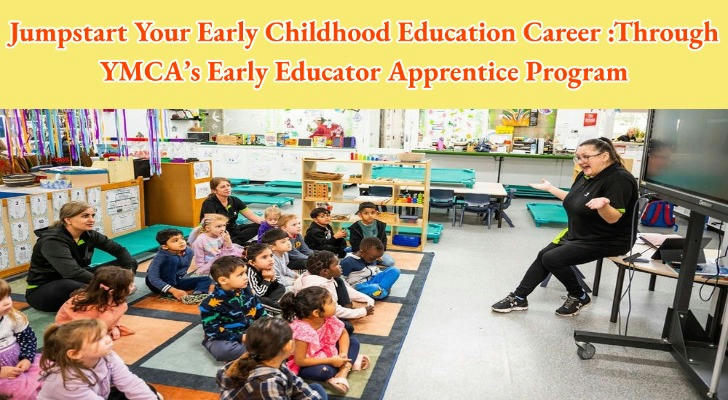
📌 Overview of Early Childhood Education Assistant Training Programs
Early childhood education assistant training programs prepare individuals for impactful roles supporting teachers and children in preschool and early learning environments. Participants gain essential skills through a blend of classroom study and paid, on-the-job training. Programs like the Early Educator Apprentice Program (EEAP) enable apprentices to advance from entry-level roles to site supervisor or program director positions within their communities.
Key training areas include:
• Child development
• Classroom management
• Communication with families
✅ These programs are structured flexibly, accessible to people from diverse backgrounds seeking to start or advance careers in early education.
🎯 Key Benefits and Support Provided to Apprentices
Assistant training programs distinguish themselves with supportive learning environments and tangible career benefits:
Earn While You Learn
• Apprentices receive paid positions during coursework.
• Example: EEAP covers community college tuition, provides paid on-the-job hours, and funds costs for obtaining the Child Development Associate Teacher Permit.
Mentorship & Coaching
• Experienced educators guide apprentices to overcome challenges and celebrate successes.
• Real-life success story: Anthony R., an apprentice with ADHD, credits program support for helping him unlock his potential and pursue his goal of becoming a teacher.
Additional Perks
• Healthcare and retirement benefits
• Paid leave
• Access to career advancement resources
• Opportunities to attend national conferences and engage with a peer community
📈 Career Outlook and Salary Expectations for Assistants
The job market for early childhood education assistants is growing steadily:
• Projected employment growth (2023–2033): 4%
• Average annual job openings: 61,400
Salary Snapshot
| Experience Level | Average Salary Range |
|---|---|
| Entry (1-3 years) | $34,000 - $49,000 |
| Entry (4-6 years) | $34,000 - $50,000 |
| Entry (7-9 years) | $35,000 - $52,000 |
| Entry (10-14 years) | $36,000 - $54,000 |
| Experienced (15+ years) | $37,000 - $59,000 |
• Median annual wage: $37,120
• Median hourly wage: $17.85
• Salary range: $28,300 - $60,070
💡 Assistants working in public schools or with advanced certifications often earn higher wages and enjoy better benefits. Career progression can lead to lead teacher or supervisory roles, increasing earnings and responsibilities.
Factors that affect preschool teacher salary
Preschool teacher salaries can vary significantly depending on a number of factors—including geography, education level, experience, and workplace setting. Understanding these variables helps explain the wide salary ranges reported across different sources and locations.
1. Location (state and city-level differences)
Salaries for preschool teachers vary substantially by state and metropolitan area, often influenced by cost of living, local education funding, and licensing standards.
2. Educational attainment
Higher education credentials can unlock better-paying roles, particularly in public pre-K programs or Head Start centers.
• Teachers with a Bachelor’s degree in Early Childhood Education often qualify for higher wages and lead teacher positions.
• Some states require a Child Development Associate (CDA) credential or a state-issued certificate for preschool teaching.
According to Salary.com, teachers with advanced credentials or certifications earn up to 15–20% more than peers without them.
3. Type of employer (public vs. private)
• Public preschools, especially those affiliated with school districts or funded by state Pre-K programs, tend to offer higher pay and benefits.
• Private childcare centers, religious institutions, or in-home daycares typically offer lower salaries, though they may provide other forms of flexibility or perks.
4. Experience and tenure
As in most professions, experience plays a major role in compensation.
• Entry-level preschool teachers (0–1 year): $30,000–$33,000
• Mid-career (5–9 years): $38,000–$43,000
• Late career (15+ years): $50,000+
Some public school roles include salary step systems that reward tenure, certification upgrades, and ongoing professional development.
📊 Program Impact at a Glance:
| Metric | Data |
|---|---|
| EEAP Participants | Over 300 |
| Graduate Placement Rate | 100% in early childhood roles |
| Teaching Permits Issued | Over 400 |
By combining formal coursework with practical experience, graduates emerge workplace-ready from day one.
🔍 Eligibility and Educational Requirements Across States
Typical Entry Requirements
• Minimum: High school diploma or GED.
• Some roles (e.g., in public preschools or Head Start centers) require additional credentials like a Child Development Associate (CDA) certificate or state-issued teaching permit.
Further Educational Pathways
• Advanced degrees in early childhood education increase access to leadership roles and higher salaries.
Other Program Conditions
• Background checks
• Reference letters
• Commitment to work with young children
• Coursework or practicum hour requirements vary by state/employer.
⚠️ Despite varied requirements, many programs offer flexible entry points to accommodate diverse educational and life experiences.
📝 How to Enroll and Access Program Resources
Enrollment Steps
Research available programs locally.
Review eligibility criteria.
Prepare necessary documents (proof of education, references).
Submit applications online or via community college partners.
After Acceptance
• Guidance on course registration
• Setup of paid work placements
• Assistance applying for permits and credentials
Ongoing Support
• Continuous mentorship and coaching
• Access to professional development events
🎁 Many programs extend resources beyond graduation, offering job placement assistance and ongoing career development, supporting long-term growth in early childhood education.
Unlock your potential in early childhood education assistant roles by choosing the right program and taking advantage of these comprehensive training opportunities!
US Early Childhood Education Programs