
✨ Ensuring Nourishment: How The Salvation Army Supports Food Assistance for Low-Income Families
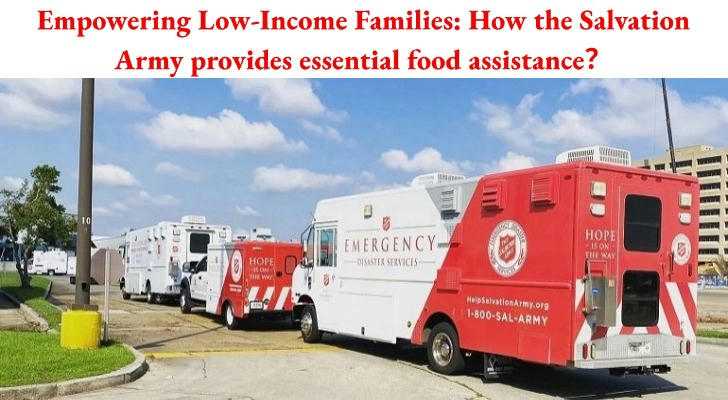
Food insecurity affects millions of families daily in the United States, limiting their access to enough nutritious food. The Salvation Army plays a crucial role in combating this issue through various food assistance programs like food pantries, mobile services, and helping families obtain government nutrition benefits such as SNAP. These efforts enable low-income families to regain stability and improve their health outcomes.
🔍 Understanding Food Insecurity: Challenges Faced by Low-Income Families
Food insecurity means lacking reliable access to affordable, nutritious food. Key statistics highlight the severity of this problem in the U.S.:
| Demographic Group | Food Insecurity Rate |
|---|---|
| American households with children | 12.8% |
| Households led by single women | 30.3% |
| Black non-Hispanic households | 22.4% |
| Hispanic households | 20.8% |
| White non-Latinx households | 9.3% |
Common challenges for these families include:
• Worrying that food will run out
• Inability to afford balanced meals
• Frequently reducing meal size or skipping meals
⚠️ Statistics:
• 96% of food-insecure households cannot afford balanced meals
• 65% report being hungry but not eating due to lack of resources
These hardships threaten the health and well-being of both adults and children.
🏢 Neighborhood Food Pantries: Providing Balanced Meals and Essentials
The Salvation Army operates neighborhood food pantries that offer a safe, welcoming place for families to access:
• 3 to 5 days’ supply of nutritionally balanced groceries
• Items like whole grains, proteins, canned fruits and vegetables, pasta
These pantries usually focus on nonperishable foods for practical relief but also link families to:
• Longer-term support programs
• Additional food bank locations
📊 Over 183 million meals are provided nationwide annually through these pantries, playing a critical role in community nutrition and crisis response.
🚐 Mobile Food Pantries and Food Parcels: Reaching Underserved Communities
Some families face specific challenges such as lack of transportation or living in "food deserts"—areas with limited access to grocery stores or pantries. To overcome this, The Salvation Army offers:
• Mobile food pantries utilizing refrigerated vehicles and drive-thru setups, delivering fresh produce, dairy, meat, and essential household supplies like diapers and hygiene products directly to communities
• Food parcel services for families unable to visit pantries, with curbside pickup or delivery options; parcels include fresh items such as potatoes, lettuce, and fruit to ensure balanced nutrition
✔️ SNAP Assistance: Connecting Families to Government Nutrition Benefits
The Supplemental Nutrition Assistance Program (SNAP) supports approximately 9.5 million families and children in the U.S. by helping them purchase food. The Salvation Army facilitates this by:
• Providing information and guidance on SNAP eligibility
• Assisting with application processes through trained caseworkers
This support is vital, as SNAP application steps can be complex and intimidating for families already facing stress. By connecting families to SNAP, The Salvation Army helps reduce food insecurity sustainably.
💡 Inclusive Support Without Discrimination: Serving All with Compassion
The Salvation Army is dedicated to serving everyone in need without discrimination based on:
• Age, race, color, religion, sex, national origin
• Marital status, disability, citizenship, sexual orientation, or gender identity
All hunger relief programs operate on principles of inclusivity and compassion. While specific eligibility requirements may exist depending on location, assistance is always delivered with dignity and respect.
For millions, this welcoming approach offers more than food—it restores hope and reinforces the availability of support during crises.
🌟 The Salvation Army’s comprehensive food assistance not only addresses immediate hunger but also empowers families toward long-term stability through compassionate and inclusive services.