
💇♀️✂️ **2026 Paid Hairdressing Training Programs: A Trusted “Learn While You Earn” Path Into the U.S. Beauty Industry
For individuals across the United States seeking licensed hair careers without paying large upfront tuition, paid hairdressing training programs are increasingly viewed as a practical and regulated alternative to traditional cosmetology schools.
Rather than paying tuition before entering the field, participants are hired by approved salons and earn income while completing state-aligned, hands-on hairdressing training in real workplace environments. 💼
The purpose of this guide is to explain how paid hairdressing training programs function in the U.S., why they are considered legitimate career pathways, and why they are gaining national attention in 2026.
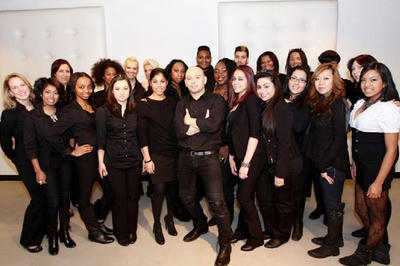
💡 What Are Paid Hairdressing Training Programs?
Paid hairdressing training programs are not informal salon jobs or short-term beauty courses. Many operate within the Registered Apprenticeship framework, recognized at both federal and state levels.
Under this model, participants work as paid hairdressing trainees in licensed salons. Programs typically include:
✂️ On-the-job training under experienced professionals
📚 Structured instructional learning alongside paid work hours
💵 Hourly wage compensation throughout training
📝 Training hours aligned with state cosmetology or hair design licensing standards
In the U.S., hairdressing-related roles are formally listed under SOC 39-5012.00 on Apprenticeship.gov, reinforcing the legitimacy of this pathway within the national workforce system.
💰 Do Participants in Hairdressing Training Programs Get Paid?
Yes — paid hairdressing training programs provide wages during the training period.
Typical compensation varies by state and employer but often follows a progressive structure:
🔹 Entry-level stage: approximately $15–$18/hour
🔹 Mid-level stage: approximately $18–$22/hour
🔹 Advanced or near-completion stage: $22–$26/hour or higher in certain markets
Pay commonly increases as trainees reach skill milestones and required hour thresholds. Some programs may also include tips, commissions, or post-licensure wage adjustments. 💸
🏫 The Role of the Atarashii Apprentice Program
The Atarashii Apprentice Program supports structured, compliant paid hairdressing training programs nationwide.
Its scope includes licensed beauty professions such as:
✂️ Hairdressing & Cosmetology
💈 Barbering
🧴 Esthetics (Skincare)
💅 Nail Technology
Rather than operating as a traditional beauty school, Atarashii focuses on:
📋 Apprenticeship structure and program development
🏛️ Compliance with state licensing authorities
🧾 Documentation of training hours and competencies
📚 Alignment with federal and state workforce standards
This framework enables salons to legally provide paid hairdressing training while ensuring participants progress toward licensure in a compliant manner. ✅
📈 Why Paid Hairdressing Training Programs Are Gaining Popularity
1️⃣ Lower Financial Burden
Compared with tuition-based cosmetology schools, paid hairdressing training programs allow individuals to:
💰 Earn income while learning
📉 Avoid or reduce student loan debt
🚀 Enter the beauty workforce immediately
For many Americans — especially adult learners and career changers — this model offers a more realistic financial option.
2️⃣ Real Salon Experience
Because training takes place in active salons, participants:
👩💼 Work with real clients
🏪 Learn daily salon operations
🌟 Build professional habits valued by employers
Graduates often complete training with extensive hands-on experience, improving employability.
3️⃣ Licensing Alignment
Programs structured under registered frameworks closely align with state cosmetology licensing standards, helping trainees move efficiently toward legal practice. 📜
🧠 Common Training Areas Covered
Although specifics vary by state and employer, most paid hairdressing training programs include instruction in:
✂️ Hair cutting, styling, and finishing techniques
🎨 Hair coloring, chemical services, and treatments
🧼 Sanitation, hygiene, and safety standards
🗣️ Client consultation and communication
🏛️ Salon professionalism, ethics, and regulatory compliance
The emphasis remains on job-ready skills, accountability, and documented competency development.
👥 Who Typically Considers Paid Hairdressing Training Programs?
Paid hairdressing training programs in the U.S. attract individuals from diverse backgrounds, especially those who value practical skills, income during training, and clearly defined licensing pathways.
This model is commonly chosen by:
✔️ Individuals seeking alternatives to high-cost beauty schools
✔️ Hands-on learners who thrive in real salon environments
✔️ Career changers from retail, hospitality, healthcare support, or service industries
✔️ Individuals planning long-term salon careers, including future senior stylists or salon owners
Because these programs combine paid employment with structured training, they appeal to people seeking income-supported, career-focused pathways rather than traditional classroom-only education.
👤 Common Age Groups and Typical Motivations
🔹 Ages 18–24
Often explored by early-career individuals seeking hands-on experience, client interaction, and rapid workforce entry while progressing toward licensure.
🔹 Ages 25–34
Popular among those pursuing skill-based career growth while maintaining financial independence, especially with rent, family, or other obligations.
🔹 Ages 35–44
Frequently selected by career transitioners prioritizing stability, structured training, and entry into a regulated profession without new education debt.
🔹 Ages 45 and Above
Often considered by individuals re-entering the workforce or seeking people-focused, hands-on professions later in life, supported by licensing transparency.
Paid hairdressing training programs are age-inclusive and focus on skills, structure, and compliance rather than academic background. 🌈
🏛️ Federal Recognition and Transparency
Hairdressing-related occupations listed on Apprenticeship.gov provide national recognition and oversight, helping applicants distinguish legitimate paid hairdressing training programs from informal or unregulated arrangements.
This federal framework adds transparency, consistency, and accountability across participating states.
✅ Key Advantages of Paid Hairdressing Training Programs
In summary, paid hairdressing training programs offer:
💰 Earn wages while training
📚 Training aligned with state licensing standards
✂️ Hands-on experience in real salon environments
🏛️ Oversight within recognized apprenticeship systems
For many Americans in 2026, paid hairdressing training programs represent a practical, financially responsible, and regulation-aligned entry point into long-term careers in hairdressing and cosmetology. 🌟