
📢 Empowering Low-Income Families: How the Salvation Army Provides Essential Food Support
In today's society, food insecurity remains a pressing challenge, particularly for low-income families and seniors. The Salvation Army, a venerable charitable organization, has made significant strides in addressing this issue by providing essential food support to those in need. With a mission rooted in compassion and community service, the Salvation Army plays a crucial role in empowering low-income families and seniors to lead healthier, more secure lives.
🎯 The Salvation Army’s Food Assistance Programs
The Salvation Army has developed a variety of food assistance programs to reach those in need. These programs are designed to meet the unique requirements of low-income families and seniors, ensuring that they receive nutritious food and support.
Food Pantries
One of the primary ways the Salvation Army provides food assistance is through its network of food pantries. These pantries are strategically located in communities, ensuring easy access for families. Here, individuals can receive non-perishable food items, fresh produce, and other essential groceries.
Food pantries also prioritize nutritional education, teaching families how to make healthy choices and prepare balanced meals. This dual approach not only addresses immediate hunger but also fosters long-term well-being.
Community Meals
In addition to food pantries, the Salvation Army organizes community meal programs that provide hot meals to those in need. These meals are often served in a welcoming environment, allowing individuals and families to come together, share a meal, and build connections with one another. For seniors, these gatherings offer an invaluable opportunity for social interaction, helping to combat loneliness and isolation.
These community meals are prepared with care, focusing on nutritional value. The Salvation Army ensures that meals are balanced, incorporating fruits, vegetables, whole grains, and protein. By providing healthy meals, the organization not only alleviates hunger but also promotes overall health.
Mobile Food Distribution
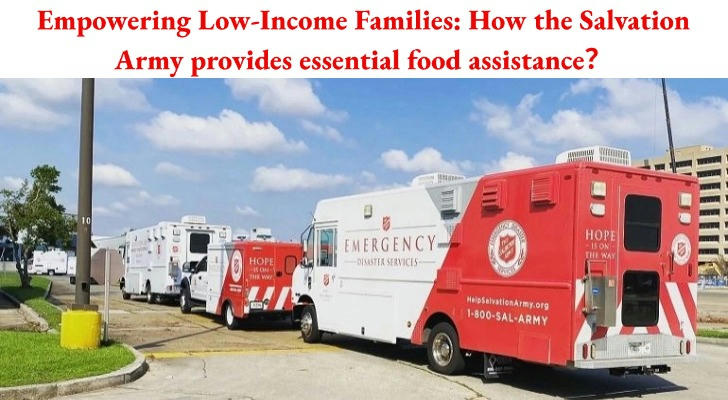
Understanding that transportation can be a barrier for many low-income families, the Salvation Army has implemented mobile food distribution programs. These initiatives bring food directly to neighborhoods in need, making it easier for families to access essential groceries. The mobile units are equipped with fresh produce, meats, and pantry staples, allowing families to select items that best suit their needs.
This program is particularly beneficial for seniors who may have difficulty traveling to food pantries or grocery stores. By bringing food directly to them, the Salvation Army helps ensure that seniors can maintain their independence while receiving the support they need.
Collaborating with Community Partners
The Salvation Army recognizes the importance of collaboration in addressing food insecurity. By working with local farms, grocery stores, and other community organizations, the Salvation Army is able to secure fresh food donations and expand its reach. These partnerships not only increase the quantity of food available but also enhance the variety, ensuring that families receive a diverse range of healthy options.
Through initiatives like the Farm-to-Table program, the Salvation Army connects local farmers with food pantries, reducing food waste while providing fresh produce to those in need. This collaboration not only strengthens the local food system but also empowers families to make healthier choices.
Understanding Food Insecurity
🔹 Food insecurity is defined as the lack of consistent access to enough food for an active, healthy life. It can affect individuals and families from all backgrounds, but low-income households are particularly vulnerable. Factors such as unemployment, medical emergencies, and rising living costs often leave these families struggling to make ends meet. Seniors, who may be on fixed incomes, are also at high risk of experiencing food insecurity.
🔹 The consequences of food insecurity are dire, leading to poor health outcomes, increased stress, and a lower quality of life. Children in food-insecure households face developmental challenges, while adults often experience chronic health issues. Recognizing the severity of this problem, the Salvation Army has mobilized its resources to provide essential food support as a means of alleviating hunger and fostering hope.
Raising Awareness and Advocacy
The Salvation Army is also committed to raising awareness about food insecurity and advocating for policies that support low-income families and seniors. By engaging in public discussions and collaborating with government agencies, the organization seeks to address the root causes of hunger and promote sustainable solutions.
Through educational campaigns, the Salvation Army works to inform the public about the challenges faced by food-insecure families. By increasing awareness, the organization hopes to inspire individuals to take action, whether through volunteering, donating, or supporting local food initiatives.
Conclusion
The Salvation Army's commitment to providing essential food support is a testament to its mission of empowering low-income families and seniors. Through food pantries, community meals, mobile food distribution, and collaborative partnerships, the organization plays a vital role in alleviating hunger and promoting well-being. By addressing food insecurity, the Salvation Army not only nourishes bodies but also fosters hope and resilience within communities. Society still faces the challenge of food insecurity, the efforts of organizations like the Salvation Army remain crucial in creating a more equitable and compassionate society for all.